


Anlagen für exzellente Polyurethan Verarbeitung
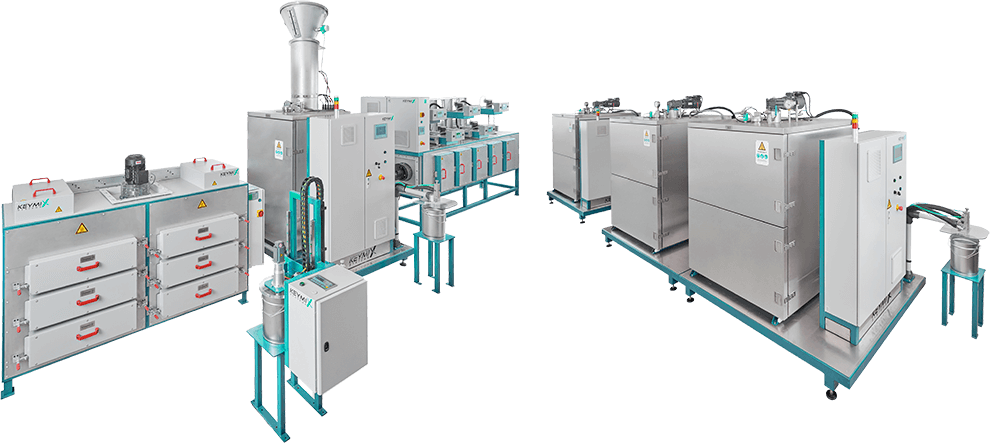
Automatisiertes Verarbeiten und Applizieren von flüssigen reaktiven Kunststoffen wie Polyurethan, Polyamid, Epoxy, Silikone oder Klebstoffen. Maschinen von Keymix Systems bringen Zuverlässigkeit, Leistung und Kontrolle Ihrer Produktion auf ein neues Niveau. Mit maßgeschneiderten Turn – Key Lösungen, die genau auf Ihre Bedürfnisse zugeschnitten sind.
Wir realisieren Ihr Vorhaben
Vorreiter-Kompetenz in der Verarbeitung von Mehrkomponenten-Kunststoffen
Sie planen eine Produktion aufzubauen, zu erweitern oder auf den Stand der Technik zu bringen? Keymix Systems liefert Ihnen maßgeschneiderte Anlagen, die Ihren Produktionsleiter, nachts ruhig schlafen lassen.
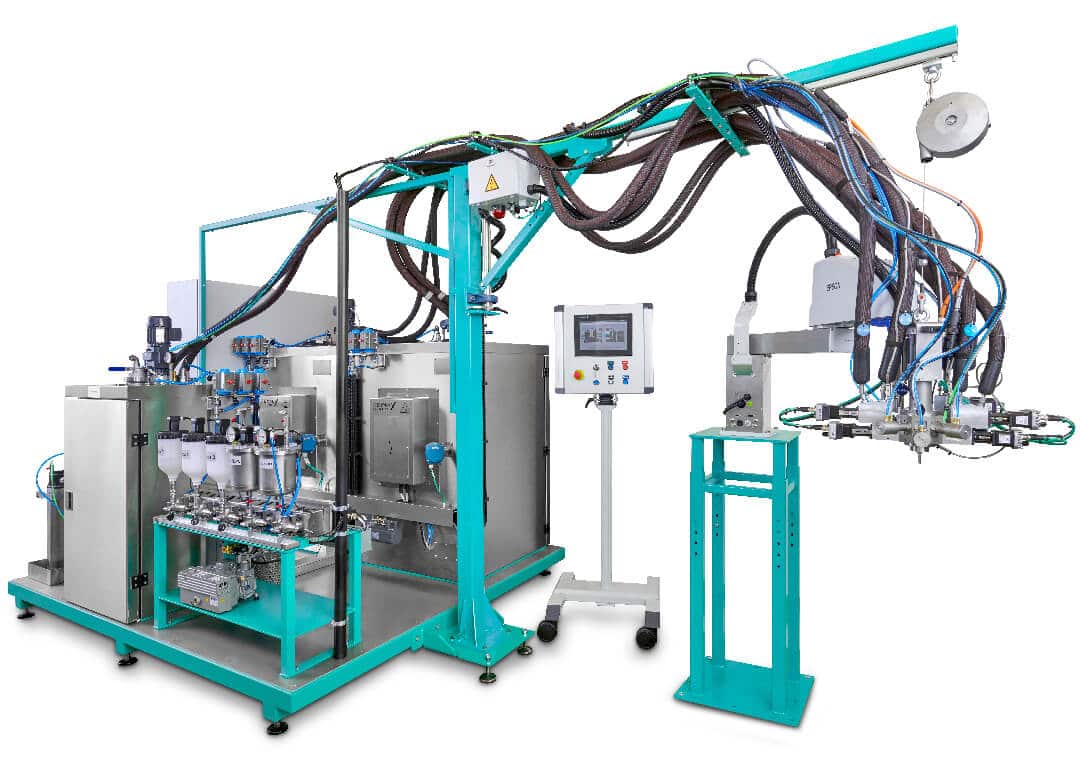
Gießanlagen
Polyurethan | TPU | Polyamid uvm.
Gießanlagen von Keymix - Eine Klasse für sich
- Mehrkomponenten Niederdruck Heiß- & Kaltgießanlage für reaktive Kunststoffe.
- Materialbehälter in Edelstahl, 5 – 1000 Ltr. Inhalt mit Rührwerk und Füllstandsüberwachung.
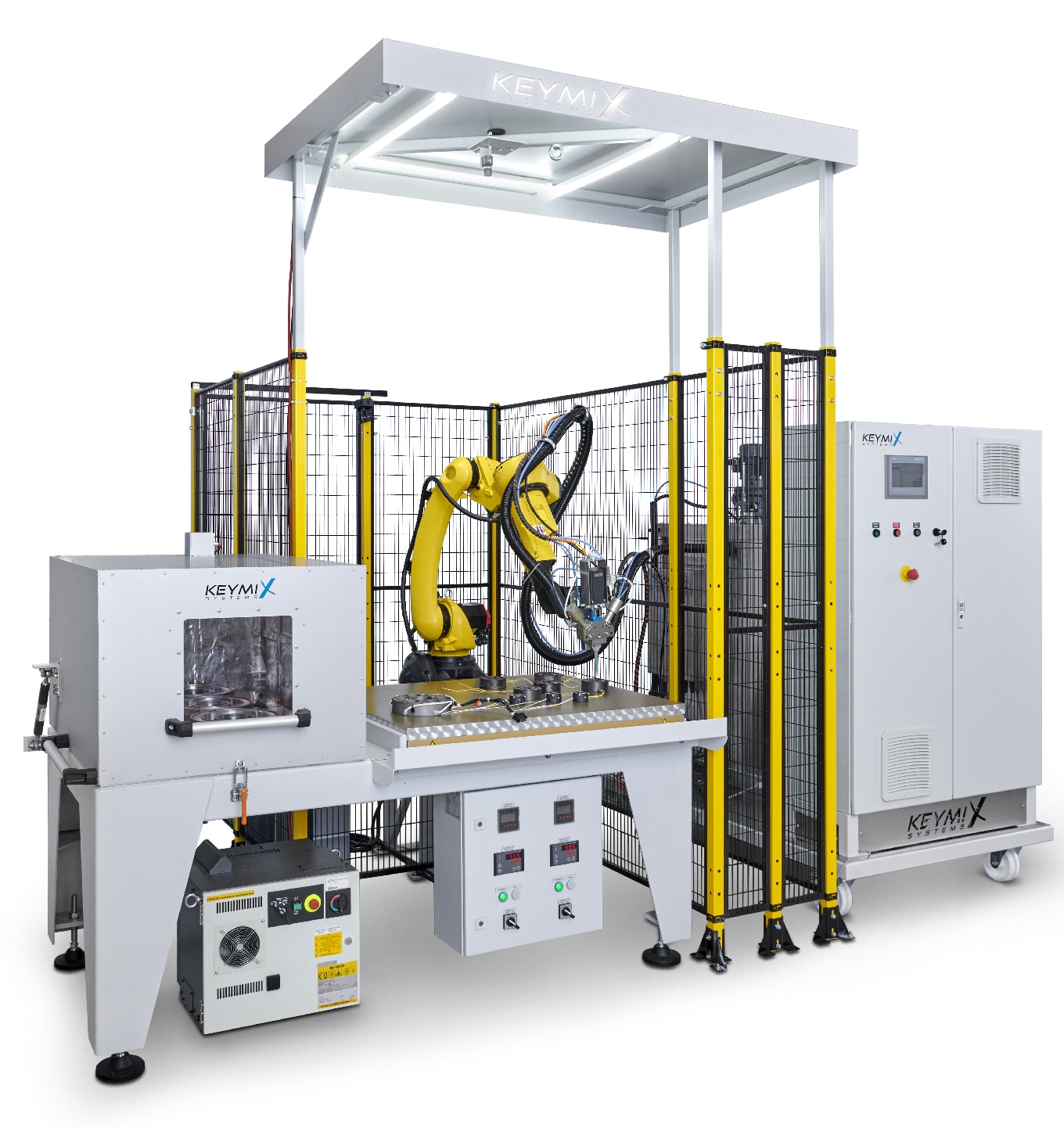
Automatisierung
Vollautomatisierte Produktionslinien
Schlüsselfertige Gesamtanlagen für Ihre Produktion
- Wettbewerbsvorteile durch Digitalisierung von Anlagen, Prozessen und Maschinen
- Überwachen Sie ihre Produktion weltweit, in Echzeit, mittels PC, Tablet oder Smartphone
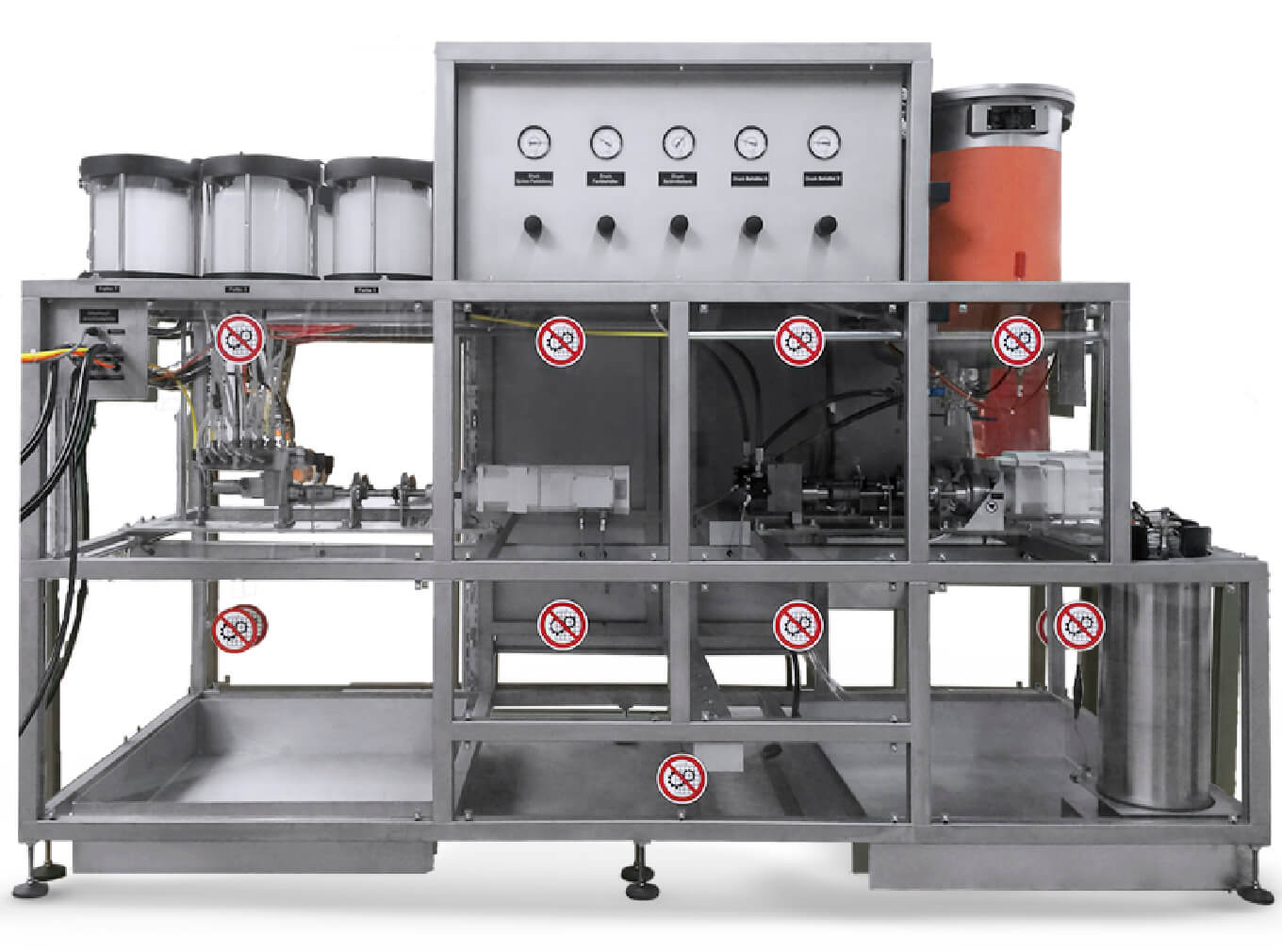
Retrofit & Service
Wir bringen Ihre alten Anlagen auf den neuesten Stand d. Technik
Aus Alt mach Neu - Mit dem Keymix Technologie Retrofit
- Wenn Ihre Anlage nur mehr dank Klebeband zusammenhält, wird es höchste Zeit für ein Retrofit
- Altbewährtes in Kombination mit neuester Technik und Steuerungskomponenten
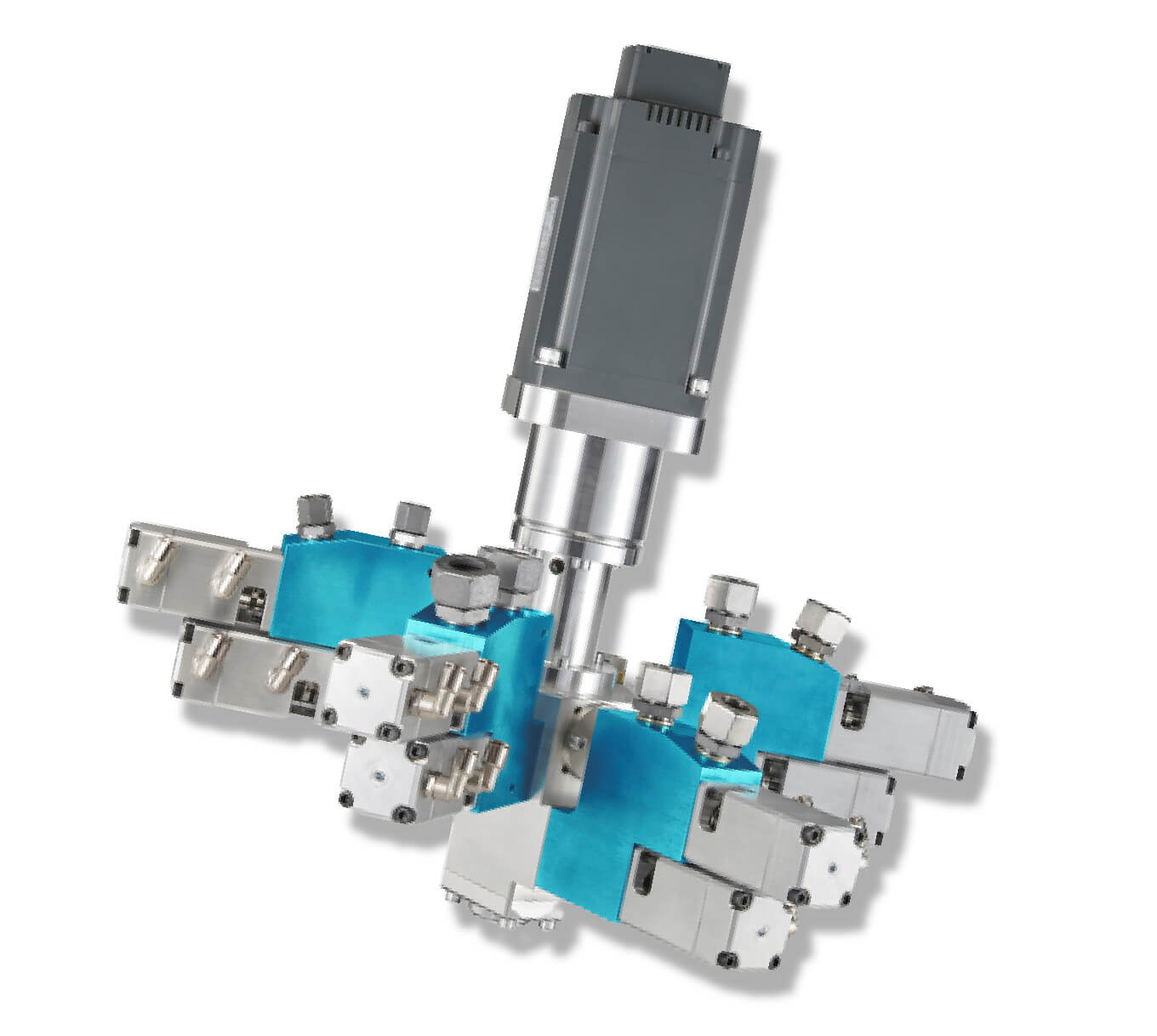
Mischköpfe
Die richtige Zusammensetzung zur richtigen Zeit ist entscheidend
Erfolgsentscheidende Qualität
- Hochwertige Schlüsselkomponenten & Eigenkonstruktionen verspechen perfekte Mischergebnisse
- Niederdruck Mischköpfe für Statische, Rotostatische oder Dynamische Vermischung
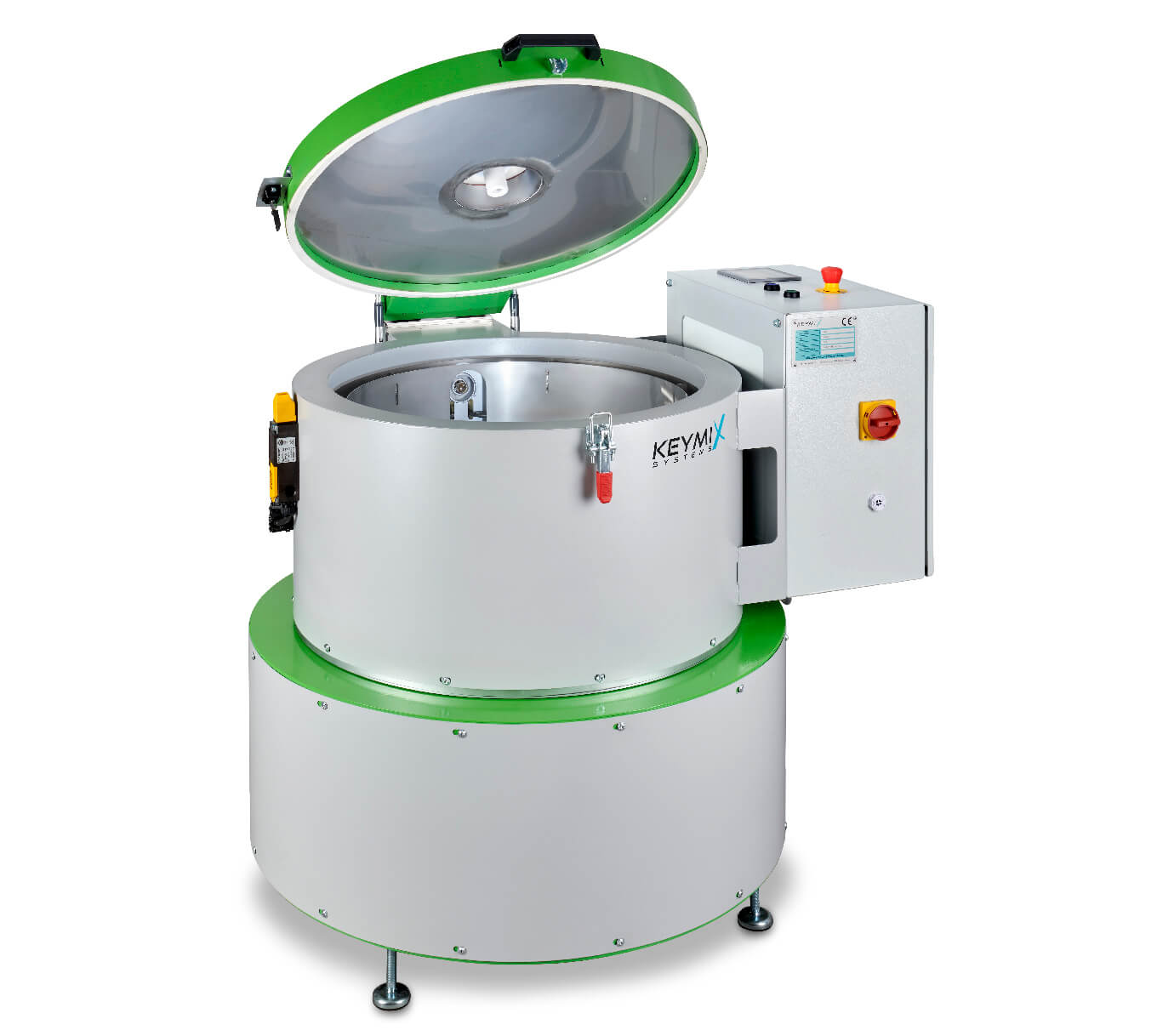
Speziallösungen
Unsere Lösungen sind so individuell, wie Ihre Erzeugnisse
Innovation braucht starke Partner - Wir lieben es Neues zu erschaffen.
- Sie suchen nach einer Individuellen Speziallösung für Ihre Kunststoffproduktion
- Dank unserer jahrelangen Erfahrung, sind wir der perfekte Partner für Ihre Innovationen
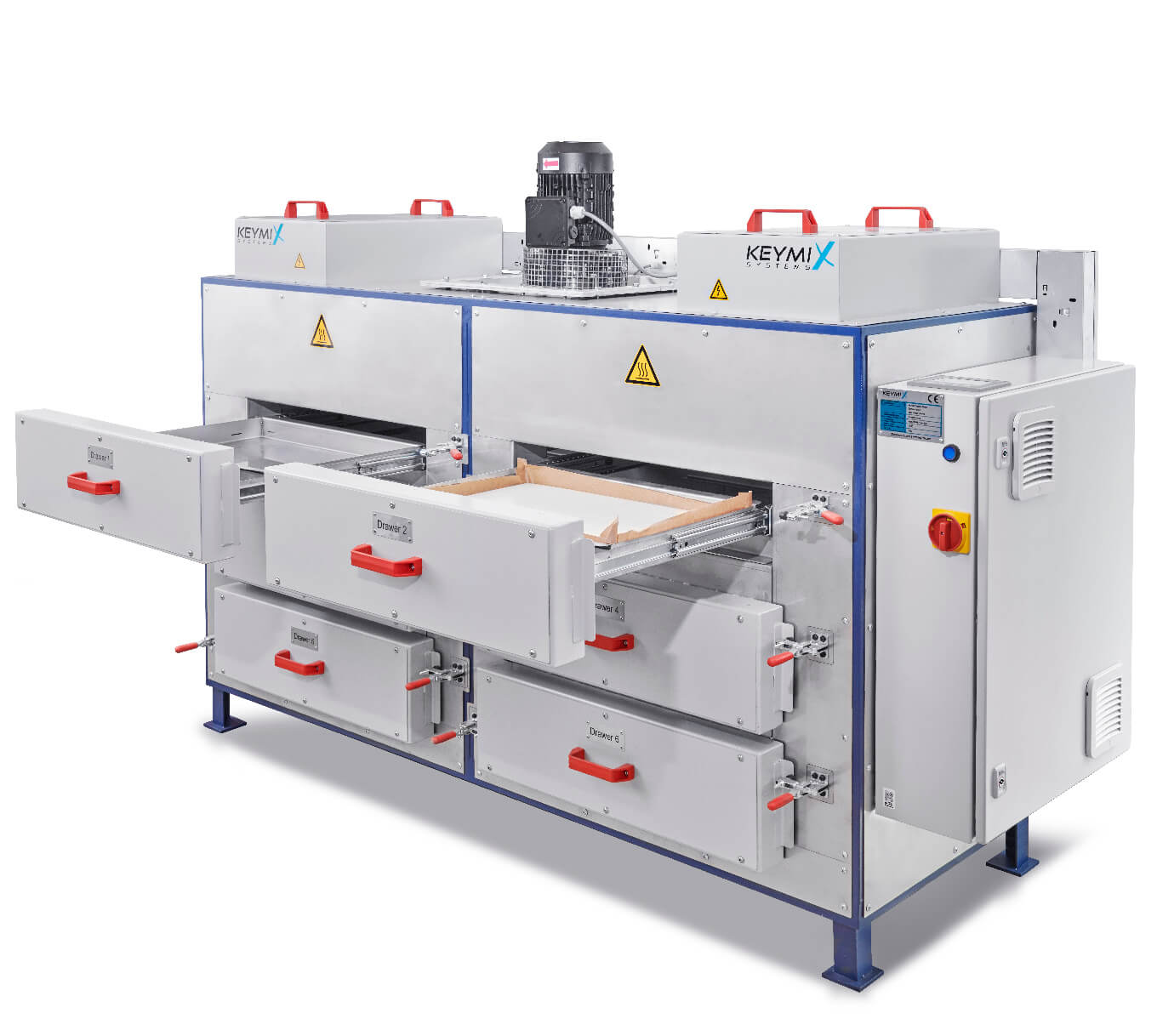
Öfen & Heiztische
Alles aus einer Hand. Wir liefern das passende Equipment.
Hochwertige Öfen & Heiztische für eine gelungene Fertigung
- Hochwertige Heizöfen und Heiztische für ihren speziellen Bedarf
- Dank starker Partner, bieten wir ergänzendes Equipment aus einer Hand
Funktionalität | Verschleißfestigkeit | Design |
Beispiel-Erzeugnisse unserer Kunden
KEYMIX ist der kompetente Partner, wenn es um die rationelle und kontinuierlich hochwertige Verarbeitung von diversen Kunststoffen geht. Unsere Kunden kommen sowohl mit Standardanliegen, als auch mit herausfordernden Spezialanfragen zu uns.



Mit dem Laden des Videos akzeptieren Sie die Datenschutzerklärung von YouTube.
Mehr erfahren
Mit dem Laden des Videos akzeptieren Sie die Datenschutzerklärung von YouTube.
Mehr erfahren

Dipl.-Ing. (FH) Stefan Leblhuber
CEO Keymix Systems
Wir bei Keymix Systems, vergleichen Produktionslinien und einzelne Maschinen gerne mit dem Wiener Philharmonie Orchester. Erst die Synergie der einzelnen Komponenten und eine intelligente Steuerung, die sie dirigiert, ermöglichen die Entstehung herausragender Ergebnisse. Etwas, das mehr ist, als die Summe seiner Teile.
Gerne stellen wir diesen Anspruch auch an Ihre neue Anlage.
Kontaktieren Sie Uns
Hinterlassen Sie uns jetzt eine kurze Nachricht, vielleicht realisieren wir gemiensam schon bald Ihr nächstes Erfolgsprojekt.
Damit dieses Formular funktioniert, klicken Sie auf den unteren Button, um den Inhalt von Google reCAPTCHA zu laden.